Cannabis Seeds, Marijuana seeds
Autoflowering Seeds
Rated 4.94 out of 5 based on 34 customer ratings17,50 € – 142,00 €Price range: 17,50 € through 142,00 €View Details This product has multiple variants. The options may be chosen on the product page
Rated 4.96 out of 5 based on 26 customer ratings12,50 € – 101,00 €Price range: 12,50 € through 101,00 €View Details This product has multiple variants. The options may be chosen on the product page
Rated 4.73 out of 5 based on 11 customer ratings12,50 € – 101,00 €Price range: 12,50 € through 101,00 €View Details This product has multiple variants. The options may be chosen on the product page
Rated 5.00 out of 5 based on 13 customer ratings16,50 € – 134,00 €Price range: 16,50 € through 134,00 €View Details This product has multiple variants. The options may be chosen on the product page
Feminized Seeds
Rated 4.95 out of 5 based on 42 customer ratings15,00 € – 121,50 €Price range: 15,00 € through 121,50 €Select options This product has multiple variants. The options may be chosen on the product page
Rated 4.87 out of 5 based on 15 customer ratings12,50 € – 101,00 €Price range: 12,50 € through 101,00 €Select options This product has multiple variants. The options may be chosen on the product page
Rated 5.00 out of 5 based on 17 customer ratings22,00 € – 180,00 €Price range: 22,00 € through 180,00 €Select options This product has multiple variants. The options may be chosen on the product page
Rated 4.96 out of 5 based on 24 customer ratings17,50 € – 142,00 €Price range: 17,50 € through 142,00 €Select options This product has multiple variants. The options may be chosen on the product page
Cannabis News from our Blog
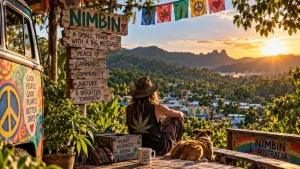
Nimbin: Australia’s Cannabis Capital, from Counterculture to MardiGrass
Nimbin: Australia’s Cannabis Capital Hidden among the green hills of northern New South Wales, not far from Byron Bay, is a small Australian town whose reputation reaches surprisingly far beyond its modest population. Its name...
CBD and Fitness Recovery: Benefits and Research
CBD and Fitness Recovery: Science, Potential Benefits, and Future Research Introduction: Why CBD Has Entered the World of Fitness RecoveryOver the past decade, cannabidiol (CBD) has moved from a niche wellness compound to a mainstream...
Minor Cannabinoids: The Rise of CBG, CBN & THCV as Cannabis’ Next Frontier
Minor Cannabinoids: The Rise of CBG, CBN & THCV as Cannabis’ Next Frontier When most people hear “cannabis,” they immediately think of THC and CBD. But the plant houses a vast chemical ecosystem—over a hundred...
The Science Behind Cannabis and Sleep: What Research Really Shows
The Science Behind Cannabis and Sleep: What Research Really Shows Sleep disorders affect millions of people worldwide, with insomnia alone impacting up to 30% of adults. As traditional sleep medications often come with significant side...
Really fast postage, got my order in about 16 days to australia, I tried others, and I have had lots of trouble with orders, getting through customs. I just ordered more autos.
tod
prompt and easy to deal with
You guys are always so prompt and so easy to deal with, Thankyou so much I really appreciate your whole crew, bloody legends you are
Jay
came quick to middle east
already grown the blue amnesia and shes just amazing.
now im at the middle of Auto NL grow and damn the plants are 100% to the description.
satlan kaved
I received it in yesterdays mail. I applaud the disguise of the package. You have been very kind and it is very much appreciated.
Kenneth – USA
I just wanted to take a moment to express my amazement!
This order I placed 7 days ago has already arrived – and this is UNPRECEDENTED for an international shipment! I order on a regular basis from three different EU nations and have never received my items SO FAST. And even if it wasn’t due to anything on your end, it makes no difference since your pro…
Greg – Australia
The grow info on BB XXL is WRONG, i made over 60 ounces from one outdoor plant…Amazing!
Jack – Florida
hi got my gift today very fast shipping!! love this site!
David – Australia
Got my five seeds of zensation, 100% germination. The little gals seem happy! Thanks!!
Jeff
Fabulous company very fast. Very clever. Discreet packaging. Will def be ordering again. Snd the free seeds were an added bonus. I’m in love with this company
Marianne
Just a quick note
Just a quick note to tell you how IMPRESSED I am with your company and products! For over ten years I’ve been a loyal customer of a competitor based in Madrid [whose name starts with an “H”] -and they too had fine products- but after having four orders seized due to their incredibly juvenile “stealth” pa…
Gregory
It took 12 days to reach Thailand. Thank you very much. I am looking forward to the harvest.
Thaistick
Seeds arrived to Israel pretty quick
discreet shipping
going to order more from you guys
Liam
Ministry of Cannabis specializes in high-quality cannabis seeds and marijuana seeds (a.k.a weed seeds), ensuring premium experiences for enthusiasts and growers worldwide.
Cannabis Seeds FAQ
What is Ministry of Cannabis?
Ministry of Cannabis is a cannabis seed bank founded in 2007. Its breeders select, evaluate and refine genetic lines over multiple cycles, with a focus on high-quality marijuana seeds, genetic stability and clear strain descriptions. The breeding program develops original varieties alongside established lines, refining traits such as plant structure and aroma while preserving the character of classic strains.
For example, a catalog can preserve a classic strain alongside a selection developed from an older line. The classic gives readers a reference point for the original character, while the newer selection shows which traits the breeders chose to emphasize.
Are marijuana seeds and weed seeds the same thing?
Yes. Cannabis seeds, marijuana seeds, weed seeds, pot seeds and ganja seeds are common names for seeds from the same plant species. The name alone tells you little about the genetics. Strain descriptions give you more specific information about lineage, seed type and aroma.
If you came across a listing through a search for weed seeds or pot seeds, use the strain name and seed type to identify the actual variety. Two listings can use the same general term while describing very different genetics or flowering behavior.
What types of seeds are in the catalog?
The catalog includes feminized photoperiod seeds and feminized autoflower seeds. Ministry of Cannabis has focused on feminized cannabis seeds since 2009, applying the same selection and evaluation process to both categories. Both are assessed for genetic stability, structural balance and aromatic consistency.
Feminized photoperiod and autoflower seeds are broad categories. Each includes individual varieties with their own parentage, structure and aroma. Once you’ve narrowed your search by seed type, use those strain-specific details to compare the options within that group.
What is the difference between feminized seeds and autoflower seeds?
Feminized describes seeds bred to produce female plants. Autoflower describes genetics that flower based on age, while photoperiod varieties respond to changes in day length. A seed can be both feminized and autoflowering. When comparing seed listings, look for both descriptors. One describes the expected sex of the plants and the other describes how flowering begins.
The distinction also helps when reading a description that gives a flowering time. A flowering period describes the time spent in flower. The autoflower or photoperiod label tells you what triggers the transition into that stage. Read the timing figure alongside the seed type.
How do you check seed quality?
Before adding a variety to the catalog, the breeding team evaluates germination consistency, plant structure, genetic stability and how closely the line matches its published description. Repeated selection helps retain defining traits over time. The team also observes traits such as internodal spacing, growth rhythm and how aroma develops as plants mature. Growing conditions can influence how those traits are expressed.
These checks answer different questions. Germination consistency concerns how reliably seeds begin to develop under the conditions used to evaluate them. Genetic stability concerns whether the traits that define the line remain recognizable over successive generations. The strain description brings those observations together in terms a reader can compare.
What does it mean to stabilize a seed line?
Stabilizing a line involves selecting for particular traits across successive generations. A breeder may look for a recognizable plant structure, a consistent aromatic profile or both. Individual plants from that line can still differ in how strongly they express each trait. Stability describes the consistency of the line across generations.
Why can individual plants from the same strain differ?
Individual plants can express inherited traits differently, and their environment can also influence how those traits develop. Breeders use the term phenotype for the observable characteristics of an individual plant. For example, two plants from a line with a sweet and earthy profile may differ in which note stands out.
How do breeders choose traits for a new variety?
A breeding project begins with a goal for the line, such as retaining the aromatic character of an older strain while selecting for a more defined structure. Breeders evaluate how those traits appear together over multiple cycles. The catalog description summarizes the traits that characterize the resulting selection.
Which classic and original marijuana strains are in the catalog?
The breeding program preserves classic strains such as White Widow and refines established lines such as Big Bud, the basis for Big Bud XXL. Original Ministry of Cannabis varieties include Mandarin Haze, God’s Glue and Zensation Gold.
White Widow and Big Bud XXL illustrate two different kinds of breeding work. Preserving a classic keeps a recognizable strain in the catalog, while developing a selection from an established line gives breeders room to emphasize particular traits. The original varieties add distinct options for readers exploring newer lines.
What does strain lineage tell me?
Lineage identifies the parent varieties or genetic family behind a strain. It can help explain why two strains share traits such as an earthy aroma or a compact structure. When a listing names its parents, compare that information with the traits described for the selection itself. Related strains can emphasize different characteristics.
What do indica, sativa and hybrid labels tell me?
Indica is traditionally associated with a shorter, bushier structure and broader leaflets. Sativa is associated with a taller, more open structure and narrower leaflets. Hybrid describes a cross between genetic lines, which can combine traits associated with both groups. A listing marked 80% indica and 20% sativa describes an indica-dominant selection. In the Ministry of Cannabis catalog, the individual strain description gives you the details on lineage, structure and aroma.
What does an XXL label describe?
The meaning depends on the breeder and the variety. In some listings it highlights flower size or density. In others it may refer to plant size or yield potential. Big Bud XXL, for example, takes its name from a classic line associated with dense flowers. Read each product description to see which traits it emphasizes.
What can a strain’s aromatic profile tell me about its genetics?
Aromatic profiles give you another way to compare strains alongside lineage and seed type. The catalog describes citrus and fruity notes, sweet and dessert-like profiles, earthy tones, and spicy, woody or resinous characteristics.
Start with the dominant notes, then look at the secondary ones. Two strains can both be described as citrus-forward, for example, while one also has earthy notes and the other leans sweeter. Those details make the profile more informative when several strains share the same broad aroma category.
How should I compare two aroma descriptions?
Look for the main aromatic family and the notes that accompany it. A sweet strain described as dessert-like can have a different profile from one described as sweet and tropical. When the descriptions share several notes, lineage can help you see whether the similarities come from related genetics or simply overlapping aroma descriptions.
Why do seed banks preserve older strains?
Seed banks help preserve genetic diversity and the breeding history behind individual strains. Ministry of Cannabis keeps historical lines in its catalog alongside new varieties and refines existing genetics over time. Preserving older lines also keeps them available for future breeding and helps document how particular varieties developed.
Keeping older lines also gives breeders a point of comparison as they develop new selections. When an established variety is used in a breeding project, its description helps readers follow which characteristics are associated with the older line and which ones the breeder selected in the newer variety.
What can I expect when buying marijuana seeds online?
If you’re comparing marijuana seeds online, you can use the catalog filters and strain descriptions to explore lineage, seed type and aromatic profiles. Ministry of Cannabis offers secure payment, discreet shipping and customer support for questions about the catalog or your order. If two varieties sound similar, start by comparing their genetic backgrounds and whether each is a photoperiod or autoflower variety.
Before ordering, check the exact variety name, seed type and pack quantity. Some strain names appear on more than one listing, so look for descriptors such as autoflower or photoperiod. If a product description or an order detail is unclear, customer support can help you confirm which listing you’re looking at.
What are Ministry of Cannabis seeds sold for?
Seeds are sold as collectible genetic items. Site content is for educational and cultural purposes. The information has not been evaluated by the Food and Drug Administration (FDA) and is not intended to diagnose, treat, cure or prevent any disease.
The product descriptions identify the lineage and characteristics associated with each variety. For collectors comparing several listings, the variety name, seed type and stated genetic background are useful details to record alongside the pack information.
How long can cannabis seeds stay viable?
Well-stored seeds can remain viable for years, depending on their condition at the start and how consistently they are kept cool and dry. A hemp seed storage study found that lower seed moisture helped preserve viability through 24 months under the conditions tested. That gives a useful reference point, while the shelf life of an individual pack still depends on its storage history.
Where can I buy cannabis seeds?
You can browse the Ministry of Cannabis catalog for collectible seeds where local rules allow. Start by comparing feminized photoperiod and autoflower listings, then use the strain descriptions to compare parentage, structure and aroma. Before ordering, confirm the seed type and pack size, and check the shipping information for your destination.
Do cannabis seeds contain THC?
Cannabis seeds themselves do not contain THC. The THC percentage in a strain description refers to the mature flowers, not the seeds in the pack.
What is the best way to store cannabis seeds?
Keep seeds cool, dry and dark, in a sealed container that protects them from moisture. If you use a refrigerator, allow the sealed container to reach room temperature before opening it to reduce condensation. Keep the original label or mark the container with the variety and date so you can distinguish packs with similar names.
What do marijuana seeds look like?
Mature seeds are usually small and oval, often with a slightly pointed end. Their outer surface can range from tan or grey to dark brown and may be mottled, striped or fairly uniform. Appearance varies between seeds. Color and markings alone give you little information about seed type, strain identity or whether an individual seed is still viable.
Where can I read more about seed biology and genetics?
These resources cover Cannabis sativa biology, hemp seed composition and industrial hemp research.
For a general introduction to the species and its reproduction, start with the Canadian Food Inspection Agency overview. The other links focus on narrower questions about hemp seed composition, industrial hemp uses, and the relationship between planting density and seed production.