
CBD Seeds
Showing all 4 results
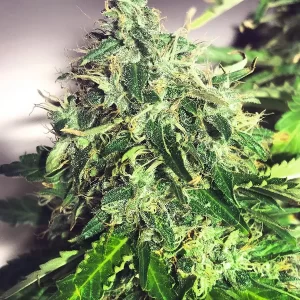
Auto Cannabis Light Feminized
Price range: 19,00 € through 153,00 € Select options This product has multiple variants. The options may be chosen on the product page
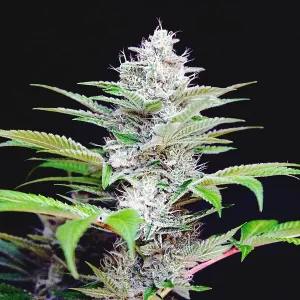
Auto CBD Star Feminized
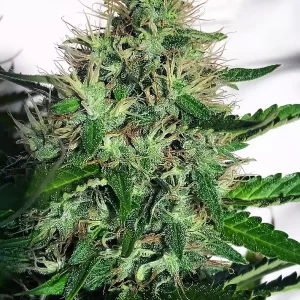
Price range: 20,00 € through 162,00 € Select options This product has multiple variants. The options may be chosen on the product pageCannabis Light Feminized
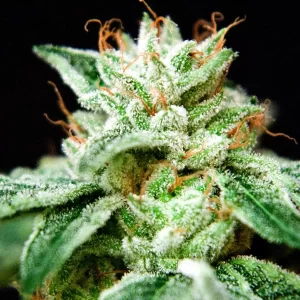
Price range: 21,00 € through 171,00 € Select options This product has multiple variants. The options may be chosen on the product pageCBD Star Feminized
Price range: 17,50 € through 142,00 € Select options This product has multiple variants. The options may be chosen on the product page
What CBD Is and What Distinguishes It from THC
CBD, short for Cannabidiol, is one of the main naturally occurring compounds found in cannabis plants. Unlike the better-known THC (Tetrahydrocannabinol), CBD does not produce psychoactive effects, meaning it does not alter perception, cause euphoria, or affect cognitive abilities. This distinction is the key to understanding why, in recent years, CBD has attracted so much attention from consumers, growers, and researchers alike.
While THC is associated with the “high” sensation, CBD is appreciated for its neutral profile and for the way it interacts with the body without acting on the same brain areas involved in pleasure or sensory distortion. It is precisely this structural and functional difference that has turned Cannabidiol into a compound studied with growing interest worldwide.
CBD Seeds and Their Genetic Selection
CBD seeds are selected specifically to produce cannabis plants that express high levels of Cannabidiol while maintaining very low THC levels, or balanced CBD-to-THC ratios. This genetic choice makes it possible to obtain stable cannabis strains suitable for contexts where regulations impose strict limits on psychoactive content. In practical terms, those who choose CBD-rich cannabis seeds know in advance that the resulting plants will produce flowers with a predictable cannabinoid profile that complies with required standards.
This predictability, combined with the absence of psychoactive effects, has made CBD increasingly relevant in contemporary culture, even beyond the traditional cannabis sphere. Many consumers choose CBD-rich products for their mild nature, the sense of balance they offer, and the way they fit into more conscious, modern lifestyles. At the same time, the scientific community continues to explore the potential of this compound, with studies investigating multiple areas and suggesting promising directions for further research.
CBD in Contemporary Culture and the Evolution of High-Cannabidiol Seeds
In recent years, CBD has evolved from a niche term known mainly to botanists and researchers into one of the most frequently discussed topics in the cannabis sector. The development of CBD seeds has been one of the main drivers of this shift. These are not simply “low-THC” varieties, but the result of a precise genetic pathway designed to stabilize cannabinoid profiles over time.
Modern seed banks now operate with an almost scientific approach: selecting phenotypes, observing cannabinoid combinations, analyzing terpene profiles, and developing genetic lines capable of delivering consistent results. In the case of CBD seeds, this means producing feminized or autoflowering plants that maintain a uniform profile, typically with THC below 1% and high CBD concentrations.
Growing interest in Cannabidiol is also linked to its cultural versatility. Because it does not cause psychoactive effects, CBD has found space in areas where cannabis was previously absent: from personal well-being to botanical research, and even to more complex potential applications such as medical and scientific studies. These are not definitive conclusions, but research directions that many scholars consider worthy of further investigation. Scientific literature suggests that CBD interacts with biological systems differently from THC, opening the door to disciplined and methodologically rigorous future studies.
At the same time, the evolution of autoflowering CBD strains has transformed the experience of many growers. Once considered secondary to photoperiod varieties, modern autoflowering cannabis seeds can now offer robust plants, rapid cycles, and precise control over cannabinoid composition. This has lowered the barrier of entry for new growers, including private individuals, who can approach cultivation with shorter timelines and greater simplicity.
Another key factor behind the success of CBD strains is aromatic richness driven by terpene profiles. Citrus, fruity, balsamic, or spicy notes significantly shape the overall sensory experience, making each strain distinctive. Even without psychoactive effects, the interaction between CBD and aromatic compounds creates a complex and appreciated product that appeals to a wide range of preferences.
Finally, the growing demand for CBD seeds is also linked to increased regulatory clarity in several European countries. Clear THC limits, cultivation standards, and more defined guidelines have enabled both consumers and growers to operate within a more stable legal framework.
Within this context, CBD-rich cannabis seeds represent not only an agricultural product, but also a cultural, botanical, and scientific phenomenon. They are the result of years of selection, study, and observation; the foundation of a new generation of cannabis strains that combine tradition and innovation; and perhaps most importantly, a concrete sign of how public perception of cannabis is undergoing a profound transformation.
The Evolution of CBD Seeds and the New Identity of Modern Cannabis
In recent years, CBD-rich varieties have reshaped the cannabis sector, redefining how growers, enthusiasts, and researchers view the plant. Where attention was once focused almost exclusively on high-THC genetics, there is now growing interest in more balanced strains selected for refined and controlled chemical profiles. CBD seeds represent one of the most significant outcomes of this evolution: genetic lines developed with precision, capable of combining stability, uniformity, and a clearly defined aromatic identity.
The development of these genetics is far from accidental. Behind every CBD-rich strain lies a long and rigorous selection process, involving the analysis of dozens of phenotypes, evaluation of terpene combinations, and refinement of structural traits such as size, branching, resistance, and flower consistency. Modern seed banks adopt an almost engineering-based approach, combining botanical observation, laboratory analysis, and advanced breeding techniques. The result is cannabis seeds capable of producing plants that meet the expectations of today’s growers: reliable, predictable, and aligned with increasingly specific regulatory requirements.
An Increasingly Conscious Choice by Growers
Those who choose CBD seeds today do so for clear and deliberate reasons. Some seek harvests with rich aromatic profiles and no psychoactive effects; others look for cannabis strains suited to urban or domestic environments; others still prefer discreet cultivation with controlled yields and predictable cycles. Available options are now extensive, ranging from classic feminized CBD seeds to autoflowering varieties designed for simplicity and speed.
CBD-rich strains tend to develop harmonious structures, compact flowers, and surprisingly complex terpene profiles. Some focus on fresh citrus notes, others on balsamic, resinous, or spicy aromas. Contrary to common assumptions, high CBD content does not diminish the sensory experience; instead, it allows terpenes to be appreciated more clearly, without THC influencing perception.
Another element highly valued by modern growers is stability. CBD genetics are often recognized for their consistency, a crucial factor for anyone seeking repeatable results. This predictability is one of the main reasons many new agricultural enterprises, especially in Europe, have chosen to invest in CBD strains: they adapt well to controlled indoor and outdoor environments and more easily meet regulatory thresholds.
The Role of Research and the Cultural Transformation of CBD
The success of CBD seeds cannot be fully understood without considering the growing interest of the scientific community in Cannabidiol. While the overall picture is not yet definitive, multiple studies have begun highlighting potential interactions with biological processes, including anti inflammatory pathways. This increasing presence in international literature has reshaped how cannabis as a whole is perceived. CBD has opened the door to more technical, less polarized discussions, allowing cannabis plants to be viewed not solely through the lens of psychoactive effects, but as complex biological organisms.
This cultural shift is also reflected in the language used by media, institutions, and researchers. Terms such as cannabinoid profiles, terpenes, compound ratios, extraction methods, and genetic stability are now commonplace. The conversation has moved from sensation to structure, from subjective perception to objective composition. CBD, with its non-psychoactive nature, has played a key role in making this transition possible.
CBD Genetics: Between Aromatic Experimentation and Botanical Identity
One of the most fascinating aspects of CBD-rich strains is their aromatic diversity. The absence of psychoactive effects allows greater focus on pure sensory experience, highlighting subtle terpene combinations and nuanced aromas. Some strains express fresh and fruity scents, others lean toward herbal, woody, or floral tones. This diversity is the result of breeding programs that aim not only to control cannabinoid content, but also to enhance the plant’s aromatic identity.
For many enthusiasts, the appeal of CBD strains lies precisely in this ability to “read” the plant through its aroma. The flower becomes a botanical product in its own right, distinct from traditional cannabis strains in purpose, structure, and perception.
A Continuously Expanding Sector
Looking ahead, it is clear that CBD seeds will continue to play a central role in the evolution of the cannabis market. As research advances and regulatory frameworks stabilize, demand for controlled, balanced, and non-psychoactive cannabis strains is expected to grow. This trend involves not only end consumers, but also professional growers, agricultural companies, and organizations engaged in industrial processing.
Today, CBD seeds represent a synthesis of botanical innovation, cultural evolution, and expanding scientific knowledge. They offer a new way of understanding cannabis—more mature, more informed, and more focused on quality.
The Evolution of CBD Seeds as a Response to a New Way of Understanding Cannabis
The spread of CBD seeds is one of the clearest indicators of how cannabis is undergoing a deep transformation. For a long time, the plant was defined almost exclusively by its psychoactive effects; today, attention has shifted toward technical aspects such as genetic stability, complex aromatic profiles, structural flower quality, and regulatory compliance. CBD-rich varieties have played a decisive role in this change, allowing cannabis to be explored without psychoactive effects at the center of the experience.
Growers who choose CBD seeds primarily seek control and precision. Modern genetics are designed to deliver consistent outcomes: uniform plants, compact flowers, clearly defined aromas, and limited THC content. This predictability is essential in a sector where quality depends on the ability to replicate conditions over time. As a result, breeders have invested in increasingly sophisticated selection programs to develop stable, resilient, and distinctive genetic lines.
One of the most appreciated features of CBD strains is their versatility. Some are designed for indoor cultivation, where flower density and aromatic purity can be maximized; others are well suited for outdoor environments thanks to robustness and adaptability. Autoflowering CBD strains, in particular, have opened new possibilities, enabling rapid, discreet, and easily scheduled cycles.
Aroma deserves special attention. CBD-rich cannabis does not rely on psychoactive effects, but on sensory complexity. Terpenes—responsible for scent—play a central role, with citrus, floral, herbal, resinous, or spicy notes defining each strain’s identity. Without dominant psychoactive effects, subtle nuances become more perceptible, which is why many connoisseurs consider CBD strains a more “pure” botanical experience.
Alongside sensory aspects, research remains crucial. Cannabidiol is one of the most studied compounds in cannabis, not because all its functions are known, but because emerging data suggest interesting interactions with various biological mechanisms. Universities and research centers continue to investigate these dynamics, expanding knowledge without making unsupported medical claims.
Another factor driving the growth of CBD seeds is increased regulatory transparency. In many European countries, clear THC thresholds have been established, allowing cultivation of CBD-rich cannabis strains within defined legal boundaries. This has encouraged the development of professional farms, innovative agricultural projects, and experimentation with new genetics.
The expansion of the sector also involves information. Scientific, educational, and technical content related to CBD has grown significantly in recent years. Blogs, specialized journals, conferences, and academic publications have created an environment where knowledge circulates more freely, improving cultivation quality and market transparency.
Within this framework, CBD seeds represent a concrete response to the demand for more balanced cannabis strains, focused on botanical quality rather than intensity of effect. They offer a modern, informed way to explore cannabis, grounded in structure, aroma, genetic consistency, and ongoing research.
The growing popularity of CBD-rich seeds shows a clear direction for the market: more information, higher quality, and greater transparency. CBD genetics embody this transformation, reflecting the meeting point between agricultural tradition and scientific innovation.