
Autoflowering Seeds
Showing all 13 results
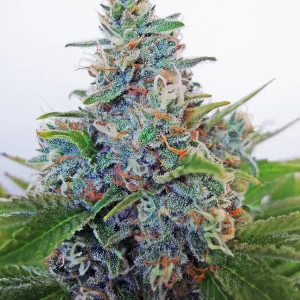
Auto Blue Amnesia Feminized
Price range: 19,00 € through 153,00 € Select options This product has multiple variants. The options may be chosen on the product page
Auto Blueberry Domina Feminized
Price range: 16,50 € through 134,00 € Select options This product has multiple variants. The options may be chosen on the product pageAuto Cannabis Light Feminized
Price range: 19,00 € through 153,00 € Select options This product has multiple variants. The options may be chosen on the product pageAuto CBD Star Feminized
Price range: 20,00 € through 162,00 € Select options This product has multiple variants. The options may be chosen on the product pageAuto Cheese NL Feminized
Price range: 15,00 € through 121,50 € Select options This product has multiple variants. The options may be chosen on the product pageAuto Ducci Feminized
Price range: 21,00 € through 171,00 € Select options This product has multiple variants. The options may be chosen on the product pageAuto God’s Glue Feminized
Price range: 21,00 € through 171,00 € Select options This product has multiple variants. The options may be chosen on the product pageAuto Mandarin Haze Feminized
Price range: 20,00 € through 162,00 € Select options This product has multiple variants. The options may be chosen on the product pageAuto Northern Lights Feminized
Price range: 12,50 € through 101,00 € Select options This product has multiple variants. The options may be chosen on the product pageAuto Sweet Donkey Feminized
Price range: 21,00 € through 171,00 € Select options This product has multiple variants. The options may be chosen on the product pageAuto White Widow Feminized
Price range: 12,50 € through 101,00 € Select options This product has multiple variants. The options may be chosen on the product pageAuto Zkittleberry Feminized
Price range: 16,50 € through 134,00 € Select options This product has multiple variants. The options may be chosen on the product pageAutopilot XXL Feminized
Price range: 17,50 € through 142,00 € Select options This product has multiple variants. The options may be chosen on the product page
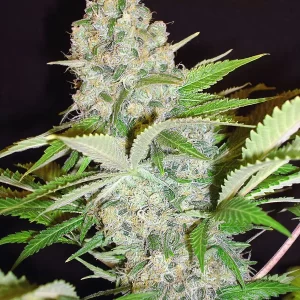
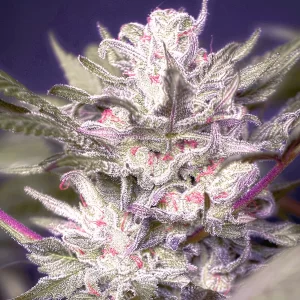
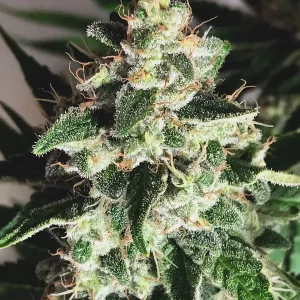
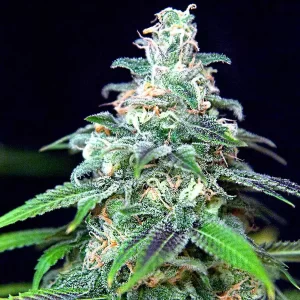

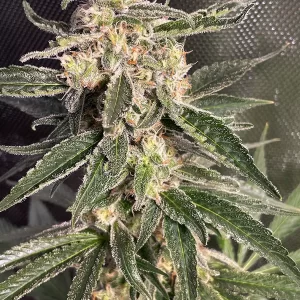
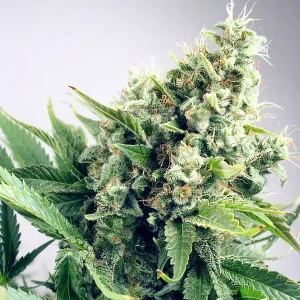
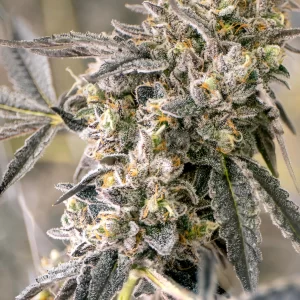
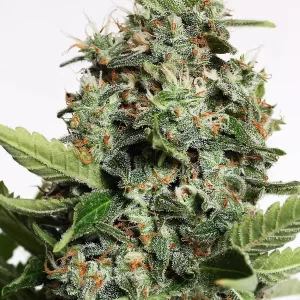
Complete Introduction to the World of Autoflowering Varieties
In recent years, automatic-flowering genetics have revolutionized the cannabis landscape, evolving from a simple botanical curiosity into one of the most sought-after seed categories overall. Today, those looking for practicality, fast timelines, and a wide range of aromas and sensory profiles find an ideal balance in autoflowering varieties, including modern autoflower cannabis seeds. It is no coincidence that people with very different backgrounds — from enthusiasts eager to explore new genetics to collectors searching for rare seeds — continue to show growing interest in this category.
The concept of an autoflowering seed originates from the crossing of traditional, photoperiod-dependent genetics with Cannabis ruderalis, a subspecies known for its ability to flower automatically and independently of traditional light cycles. This characteristic is what truly distinguishes autoflower plants: the plant initiates its flowering phase based on age rather than the duration of light exposure. From a botanical perspective, this results in an extremely predictable and consistent life cycle.
Among the most searched expressions are descriptions such as autoflowering cannabis seeds, autoflowering marijuana seeds, and even more informal or colloquial terms, which demonstrate how widely adopted this concept has become beyond strictly specialized environments. Other highly popular searches involve specific categories, such as super-fast autoflowering genetics, XXL formats, or promotional assortments of autoflowering cannabis seeds offered at reduced prices, often sought by those wishing to buy the best autoflower seeds while expanding their genetic collection affordably.
One of the most fascinating aspects of these genetics is their ability to complete an entire growing cycle in remarkably short periods. It is common to encounter catalogs presenting selections described as fast, quick, or express, which align with searches related to fast-cycling autoflowering seeds and seed to harvest timelines. It is important to clarify that actual duration depends on genetics: some lines are extremely compact and early, while others — particularly XXL versions — require more time to fully express their botanical characteristics across different growth cycles.
The autoflowering segment is far from uniform. Each genetic line retains the aromatic and sensory personality of its origins. This means that even with automatic flowering, cannabis plants can express profiles ranging from sweet to spicy, fruity to earthy. The evolution observed over the past fifteen years has also resulted in substantial improvements in structural quality, stability, and full spectrum aromatic complexity, establishing autoflower strains as a mature and well-developed category.
Another area of strong interest concerns feminized autoflowering seeds, which combine two highly valued traits: the reproductive stability associated with feminized genetics and the autonomous cycle typical of automatic varieties. Seed banks have invested heavily in research, successfully producing lines that maintain phenotypic consistency, good uniformity, and cannabinoid levels comparable to many modern hybrids. This development has also fueled interest in high THC autoflowering genetics, as well as discussions around THC level variability, always influenced by genetics, environment, and perception.
Within this category, particularly interesting variants can also be found, such as dwarf autoflowering marijuana seeds, appreciated for their compact botanical structure. These selections develop contained and orderly growth, making them popular in contexts where reduced size is considered an advantage. At the opposite end of the spectrum are XXL selections, which tend to develop more generous structures and, under suitable growing medium conditions, can express rich aromas and notable complexity.
A trend that has emerged in recent years involves so-called winter autoflowering seeds. This definition should not be interpreted literally, but rather as a way of identifying genetics that many collectors believe show greater adaptability to cooler conditions and fluctuating hours of light. While performance always depends on specific climatic contexts, this market segment continues to grow due to rising interest in automatic genetics adaptable to diverse environmental scenarios.
Interest also extends to budget-oriented assortments, such as autoflowering cannabis seeds priced at one euro. These are often sought by individuals who wish to expand their genetic archive or begin a collection with minimal investment.
One of the most discussed topics among enthusiasts is the germination of autoflowering seeds. This subject consistently generates curiosity, as automatic varieties are known for fast and linear life cycles, often showing dynamic behavior even in early stages. Without providing practical instructions or technical guidance, it can be noted that germination is a delicate moment for any plant species. Many collectors place strong emphasis on storage conditions, humidity control, and seed integrity, as well as resistance to pests and diseases during early development.
Another highly searched segment involves outdoor autoflowering seeds, a term used to identify lines often associated with general resilience and structural adaptability to variable environments. In this context, interest relates more to inherent genetic traits than to specific applications, including the ability to maintain a stable light cycle and light schedule regardless of seasonal variation.
Finally, one cannot overlook the widespread use of the simple term “autoflowering,” employed by those seeking to understand the fundamental differences compared to photoperiod varieties: shorter timelines, stable cycles, predictable growing autoflower behavior, manageable structure, and an ever-expanding range of aromas and sensory profiles.
Finally, one cannot overlook the widespread use of the simple term “autoflowering,” employed by those seeking to understand the fundamental differences compared to photoperiod varieties: shorter timelines, stable cycles, manageable structure, and an ever-expanding range of aromas and sensory profiles.
Evolution, Diffusion, and Modern Categories of Autoflowering Varieties
To understand the current popularity of automatic-flowering genetics, it is useful to examine their evolution over the past two decades. The earliest autoflowering lines available on the market were considered more of a botanical curiosity than a true category. They typically displayed simple aromatic profiles, undefined structures, and modest cannabinoid levels. Nevertheless, these early selections laid the groundwork for a transformation that would fundamentally reshape the sector.
The key element driving this evolution was in-depth research into Cannabis ruderalis, a subspecies that grows spontaneously in parts of Asia and Eastern Europe, characterized by a rapid life cycle and natural resilience. Breeders sought to combine these traits with the aromatic richness and structural complexity of well-established photoperiod varieties. Over time, through repeated crossing and selection, it became possible to obtain lines in which the automatic flowering trait was stable, while the rest of the genetic profile showed marked improvement over early, rudimentary versions.
This evolutionary process resulted in a new generation of seeds now recognized as highly stable autoflowering cannabis genetics. These varieties not only retain automatic flowering behavior but also offer broad aromatic ranges and cannabinoid levels comparable to many contemporary hybrids. Research efforts increasingly focused on achieving greater phenotypic homogeneity, making both botanical traits and sensory profiles more predictable.
Rising public interest encouraged seed banks to further diversify their offerings, creating specialized subcategories. One of the earliest to emerge was that of super-fast autoflowering marijuana seeds, developed to satisfy demand for particularly short cycles. While precise timelines may vary, the concept of speed became a defining feature for those seeking dynamic genetics with autonomous development. This trend popularized descriptors such as fast, quick, and express, and led to widespread searches for terms like fast autoflowering varieties or “30-day autoflowering cannabis.”
Parallel to this, XXL lines gained prominence, appealing to those interested in genetics with greater structural potential. Searches related to feminized XXL autoflowering seeds reflect interest in hybrids that maintain automatic cycles while developing broader forms and often more complex aromatic profiles. The introduction of large-scale categories within the automatic segment represented a significant advancement compared to earlier, predominantly compact generations.
At the opposite end are dwarf autoflowering marijuana seeds, characterized by contained, orderly growth. These genetics gained popularity due to their versatility and ability to adapt to diverse scenarios without requiring extensive space. The term “dwarf” does not imply reduced quality; rather, it refers to lines intentionally developed to remain compact while preserving the aromatic identity of their genetic origins.
Alongside morphological diversification, sensory diversity also expanded. Modern automatic varieties can replicate — and in some cases reinterpret — the aromas of the photoperiod genetics from which they descend. Sweet, creamy, spicy, citrus, and deeper aromatic profiles are now widely available. This olfactory richness, combined with the variety of reported sensations, contributed to the recognition of autoflowering varieties among experienced enthusiasts. In this context, interest in high-THC autoflowering seeds reflects the search for modern genetics known for potentially intense sensory experiences, always subject to individual perception.
Another factor reinforcing the popularity of automatic varieties is their adaptability across different climatic and logistical contexts. This adaptability has fueled interest in winter-adapted autos and outdoor autoflowering cannabis seeds. The former typically refers to genetics believed to tolerate cooler conditions, while the latter indicates lines valued for resilience and independence from seasonal light changes. These distinctions arise from observed plant behavior rather than practical usage but remain common reference points within enthusiast communities.
Economic considerations have also played a role, as demonstrated by interest in discounted autoflowering hemp seeds and one-euro automatic varieties. Such searches reflect a desire to broaden genetic collections while maintaining a controlled budget, often taking advantage of promotions or remaining stock from previous seasons.
The history of autoflowering varieties also represents a cultural shift. Once considered a secondary option, feminized automatic seeds have become a mainstream choice: genetically stable, sensorially engaging, and available in numerous forms. Today, the term “autoflowering” itself represents more than a flowering mechanism; it embodies a genetic philosophy defined by autonomy, defined timing, adaptability, and aromatic diversity.
Aromas, Reported Sensations, Seed Quality, and Botanical Differences in Autoflowering Varieties
One of the most captivating aspects of automatic genetics is the remarkable diversity of aromas and sensory profiles they can express. Despite their association with Cannabis ruderalis, breeders have successfully integrated the complexity of photoperiod varieties into automatic lines. The result is a category of seeds that, while maintaining an autonomous life cycle, deliver rich and varied aromatic experiences.
Today, those exploring autoflowering cannabis genetics encounter selections ranging from sweet and sugary notes to citrus tones and classic earthy aromas. Fruity, tropical, and dessert-inspired profiles are also widely represented, often drawing inspiration from modern and popular genetic lines. This extensive diversity illustrates the maturity reached by the automatic segment.
Beyond aroma, many enthusiasts place significant emphasis on reported subjective sensations. Some genetics are described as energizing and lively, others as smoother or more enveloping. This diversity underlies interest in high-THC autoflowering genetics — a descriptive term highlighting varieties known for potentially richer cannabinoid profiles, without implying therapeutic properties. Final perceptions always remain personal and context-dependent.
Structural diversity has progressed in parallel, ranging from compact forms often searched under “dwarf autos,” to medium-sized varieties and expansive XXL selections. Differences extend beyond size, encompassing node distribution, central development, and overall plant architecture. Compact varieties are valued for discretion and order, medium lines for balance, and XXL genetics for broader expression and aromatic depth.
Seed quality and germination also remain central topics. Conceptually, germination marks the beginning of the plant’s life cycle and reflects the seed’s vitality and preservation quality. Collectors often value visual integrity, regular shape, and characteristic coloration. For fast-cycling genetics, seed quality is especially important, as early vigor is often associated with overall genetic strength.
Environmental context also shapes perceptions. Discussions surrounding outdoor automatic varieties and winter-adapted lines reflect interest in resilience and adaptability, classifications that have emerged through shared observation within botanical communities rather than strict technical definitions.
Economic accessibility has further expanded interest. One-euro automatic seeds and promotional autoflowering assortments allow exploration with minimal financial commitment. Feminized autoflowering seeds, in particular, are among the most appreciated due to their stability and predictable behavior.
Reported effects are discussed descriptively rather than therapeutically. Some automatic varieties are associated with lively sensations, others with more relaxed experiences, reflecting the influence of their photoperiod ancestors.
Why Autoflowering Varieties Are So Popular and How to Navigate the Different Categories
The success of automatic-flowering genetics is the result of continuous evolution combining botanical research with changing market needs. Their predictable life cycles, generally shorter timelines, and adaptability explain their widespread appeal among both experienced enthusiasts and newcomers.
One key factor is cycle predictability. Automatic varieties do not depend on changes in light exposure to initiate flowering, following an internal rhythm linked to age. This regularity makes it easier to anticipate development stages and structural characteristics.
Another factor is speed. While not all automatic varieties are ultra-fast, their average cycle length is typically shorter than that of photoperiod plants. This has fueled demand for fast-cycling autos, super-fast selections, and “30-day” varieties, terms reflecting interest in particularly dynamic genetics.
Versatility and adaptability further enhance their reputation. Interest in outdoor and winter-adapted autos reflects the perception that many automatic lines display robust and consistent behavior across varying conditions. These classifications are intuitive, derived from long-term observation within the community.
The Role of Modern Genetics
Early automatic varieties were simple and limited, but modern breeding has transformed the category. By stabilizing the automatic trait while refining the remaining genetic profile, breeders have created varieties capable of rivaling established photoperiod lines in aroma and sensory richness.
The result is extensive diversity, including:
sweet and caramel-like profiles
citrus and fruity automatic lines
spicy and resinous selections
old-school earthy genetics
modern, exotic aromatic expressions
Feminized autoflowering seeds combine predictability with aromatic variety, making them a preferred choice for many enthusiasts.
Choosing Between Compact, Medium, XXL, Fast, or Budget Options
Compact (Dwarf) Autoflowering Varieties
These lines feature contained structures and orderly growth. Despite their size, they often display surprisingly complex aromatic profiles.
Medium-Sized Autoflowering Varieties
Representing the most balanced segment, these genetics offer versatility, moderate size, and diverse aromas. They are often considered an ideal entry point into the automatic category.
XXL Autoflowering Varieties
Designed for those who appreciate larger structures, XXL autos require slightly longer cycles but often reward with layered aromas and faithful expression of their genetic heritage.
Super-Fast Autoflowering Varieties
Highly sought after, these lines prioritize rapid development, compact structure, and immediate expression.
Budget Autoflowering Varieties
Promotional and discounted options, such as one-euro autos, appeal to collectors seeking to expand genetic archives affordably.