
Feminized Cannabis Seeds
Showing all 13 results
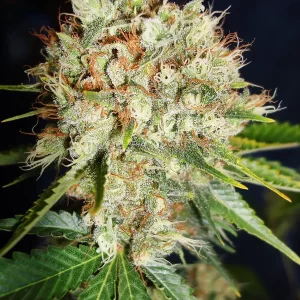
Big Bud XXL Feminized
15,00 € – 121,50 €Price range: 15,00 € through 121,50 € Select options This product has multiple variants. The options may be chosen on the product page
Cannabis Light Feminized
21,00 € – 171,00 €Price range: 21,00 € through 171,00 € Select options This product has multiple variants. The options may be chosen on the product pageCBD Star Feminized
17,50 € – 142,00 €Price range: 17,50 € through 142,00 € Select options This product has multiple variants. The options may be chosen on the product pageDucci Feminized
22,00 € – 180,00 €Price range: 22,00 € through 180,00 € Select options This product has multiple variants. The options may be chosen on the product pageGod’s Glue Feminized
22,00 € – 180,00 €Price range: 22,00 € through 180,00 € Select options This product has multiple variants. The options may be chosen on the product pageMamacita’s Cookies Feminized
22,00 € – 180,00 €Price range: 22,00 € through 180,00 € Select options This product has multiple variants. The options may be chosen on the product pageMandarin Gelato Feminized
23,00 € – 186,00 €Price range: 23,00 € through 186,00 € Select options This product has multiple variants. The options may be chosen on the product pageMandarin Haze Feminized
20,00 € – 162,00 €Price range: 20,00 € through 162,00 € Select options This product has multiple variants. The options may be chosen on the product pageMars Mellow Feminized
23,00 € – 186,00 €Price range: 23,00 € through 186,00 € Select options This product has multiple variants. The options may be chosen on the product pageNorthern Lights MOC Feminized
12,50 € – 101,00 €Price range: 12,50 € through 101,00 € Select options This product has multiple variants. The options may be chosen on the product pageUltra White Amnesia Feminized
17,50 € – 142,00 €Price range: 17,50 € through 142,00 € Select options This product has multiple variants. The options may be chosen on the product pageWhite Widow Feminized
12,50 € – 101,00 €Price range: 12,50 € through 101,00 € Select options This product has multiple variants. The options may be chosen on the product pageZensation Gold Feminized
19,00 € – 153,00 €Price range: 19,00 € through 153,00 € Select options This product has multiple variants. The options may be chosen on the product page
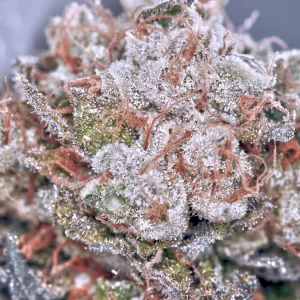
Introduction to the World of Feminized Seeds
In recent years, interest in feminized seeds has grown steadily, thanks to their ability to offer a more targeted and stable genetic selection than traditional lines. The concept of “feminization” has radically transformed the sector: from an experimental innovation, it has become a sought-after standard for both enthusiasts and those who want to expand their collection of modern genetics. What makes these seeds especially interesting is their link to the evolution of varieties, selection processes, and the growing focus on ever more complex aromatic profiles.
The idea behind feminized cannabis seeds is simple: to ensure that the vast majority of resulting plants are female. This is not just a botanical detail, but a core point for anyone looking for stability and uniformity in their genetics. Modern seed production has reached a level of precision that enables highly consistent outcomes, making this category a go-to choice for those who want genetics that match expectations in aroma and structure.
A distinction often discussed is the comparison with regular seed lines. While regular seeds can produce both male and female plants, feminized seeds are bred using selection techniques aimed at more predictable expression and a lower risk of male plants. As a result, the conversation has shifted from basic differences to more modern variants, such as feminized autoflowering seeds, specialized hybrids, and XXL versions.
Why Feminization Changed the Market
The success of high-yield feminized seeds, in both indoor and outdoor contexts (in a descriptive sense), comes from the fact that these genetics better meet the expectations of those seeking uniformity and aromatic consistency. Naturally, “high yields” should be understood in botanical and structural terms, not as an invitation to cultivate. In theoretical discussion, the term is used to describe varieties that have historically shown stronger structure, intense aromatic profiles, or broader forms than other hybrids.
The sector’s evolution has led to the emergence of genetically diverse families. Varieties derived from classic photoperiod cannabis now have feminized counterparts that preserve much of the original identity while offering greater stability. This is especially noticeable when talking about the growth cycle and differences in plant behavior across development stages — always descriptively, without practical implications.
Seed selection has also made it possible to develop lines that align more closely with specific aromatic expectations, making them particularly attractive to those looking for high quality feminized varieties. The focus is increasingly on delivering complex aromas, fruity or spicy notes, exotic nuances, or old-school profiles reinterpreted with a modern twist.
Emerging Categories and New Trends
In recent years, attention has grown around categories that clearly describe expected botanical traits. Among these are:
feminized outdoor seeds, often associated with genetics perceived as robust and adaptable;
faster feminized seeds, where speed is discussed as a value in terms of the botanical growth cycle;
feminized XXL seeds, for those who prefer broader structures and more complex profiles;
versions perceived as “more productive,” both indoor and outdoor, based on historical and comparative observations.
It is important to note that these are not strict, official categories, but community-born classifications useful for identifying differences among closely related genetic families. When people talk about the best feminized outdoor seeds, the judgment is almost always based on traits such as robustness, genetic history, botanical adaptability, and aromatic complexity.
In parallel, interest continues to rise in feminized autoflowering hybrids, which combine the autonomy of the auto cycle with the genetic predictability of feminization. This mix is often highlighted in community discussions because it represents a balance of speed, stability, and aromatic diversity.
A New Way to Classify Varieties
The growing supply has led to deeper classification of genetic families. Today, feminized varieties are often evaluated according to features such as:
aromatic profile complexity;
behavior during early stages (can be vigorous, compact, etc.);
belonging to classic or modern families;
botanical structure (tall, compact, branched);
line origin (hybrids, landrace, autoflowering variants).
This fragmentation is not only a reflection of the market, but a genuine cultural evolution: enthusiasts are increasingly attentive to details, genetic history, and what distinguishes one variety from another. This is also why searches like best varieties, best seeds, indoor grows (in a theoretical sense) or cannabis cultivation as a general topic remain popular.
Technical Evolution and the Importance of Genetic Selection
Growing attention toward feminized cannabis seeds comes not only from their genetic predictability, but also from the central role selection plays in creating modern lines. In recent years, breeders have focused on developing varieties that are more stable, more refined, and with increasingly defined aromatic identities. This ongoing research has made it possible to create genetics that, while retaining the structure of original varieties, offer greater consistency in aroma and botanical traits.
Another point of interest is diversification within the same families. Not all feminized seeds are the same: some lines emphasize complex aroma, others a broader structure, while others prioritize speed and stability during early vegetative stages. This diversity reflects the goal of satisfying a wide range of preferences.
From a theoretical perspective, the distinction between genetics created for ornamental use, botanical study, or simple collecting has increased the focus on classification. This is also why concepts like start growing (in an abstract sense), vegetative stage, obtaining plants (as a biological concept), or indoor grows (as a discussion topic) often appear in enthusiast conversations, without implying operational instruction.
The Most Sought-After Families: A General Overview
In recent years, certain categories have become more popular within the community. Among them are high-yield feminized outdoor seeds, a label used to describe genetics perceived as robust, adaptable, and characterized by strong structure in variable outdoor conditions. Here too, “high-yield” is intended as a botanical and comparative evaluation among well-known genetics.
Likewise, many discussions focus on high-yield feminized indoor seeds, a theoretical category that reflects the search for varieties perceived as stable, balanced, and well-suited to contexts where structure and space management are key topics of analysis.
Another fast-growing family is faster feminized seeds. Some varieties are perceived to have a quicker botanical cycle, which is often appreciated by those who prefer dynamic genetics capable of expressing clear traits within a shorter timeframe.
Finally, special mention goes to 100 feminized seeds, multi-seed lots requested by those who want to broaden the range of their genetic collection. It is an interesting trend: more enthusiasts buy larger groups of seeds to compare lines, assess stability, or explore the history of different families.
Aromatic Complexity as a Defining Feature
One of the main reasons for the success of feminized seeds is the remarkable aromatic complexity achieved in recent years. Some varieties show fruity notes, others express spicy or herbal profiles, and others reinterpret historic aromas in a modern key. Aromatic quality depends not only on the genetics used, but also on how carefully seed selection is carried out.
Descriptions shared by enthusiasts highlight how aromatic difference has become a key element in choosing varieties. Features such as:
intense aroma,
complex bouquet with layered notes,
citrus or tropical fragrances,
earthy or spicy undertones,
are integral to how people interpret and classify the best feminized outdoor seeds or indoor counterparts.
This evolution has also changed how feminized varieties are discussed. It is no longer only about distinguishing modern from classic lines, but about analyzing how each genetic line reinterprets known aromas by integrating influences from increasingly sophisticated crosses.
Indoor vs Outdoor: Two Theoretical Perspectives
Theoretical discussions about indoor grows and outdoor contexts (as abstract topics) reveal another important nuance. Depending on the context, some genetics can be perceived as better suited to controlled space management, while others are seen as more appropriate in open and variable environments.
For example:
Varieties considered robust and adaptable often fall under feminized outdoor seeds.
More compact varieties with consistent early behavior are often cited in comparisons of high-yield feminized indoor seeds.
Varieties that show more linear behavior during the vegetative stage are sometimes considered interesting for ornamental contexts.
Here as well, the distinction is not rigid: it is a classification born from observation and comparison among genetics, useful for understanding how feminization expanded the range of choices.
Feminized Autoflowering: A Category Growing in Popularity
Feminized autoflowering varieties represent a new frontier in genetic selection. They combine the predictability of feminized seeds with the autonomy typical of auto genetics. This fusion has produced varieties perceived as dynamic, stable, and rich in complex aromas.
This category includes:
compact and fast genetics,
varieties with intense aromatic profiles,
selections that reinterpret classic families with a modern twist.
Many enthusiasts see these varieties as a perfect meeting point between tradition and innovation, since they allow analysis of botanical structure and genetic behavior in a new, more diverse form.
The Search for “Best Seeds” as a Cultural Phenomenon
Searches like best varieties, best seeds, more productive seeds or best feminized outdoor seeds reflect a broader cultural phenomenon: the desire to know, compare, and deeply understand the traits of each genetic family.
This trend has shaped an “ideal genetic map,” where each variety is associated with:
an aromatic profile,
a botanical behavior,
an evolutionary story,
a shared community perception.
That is why high quality feminized seeds are in high demand in discussion contexts: not for practical use, but for the cultural, botanical, and collecting value they represent.
Genetic Stability as a Reference Point
One of the most discussed aspects of modern genetics is stability. In theoretical terms, a well-selected batch of feminized seeds should offer higher consistency than non-feminized seeds, which is central for those interested in cannabis botany. Stability is often associated with the ability of feminized varieties to maintain more uniform behavior, contributing to their role as a sector standard.
Precision in seed creation has reached very high levels. Multiple selection techniques allow breeders to isolate traits considered desirable, such as aromatic complexity, balanced plant structure, or early-stage speed. This has led to a clearer distinction between:
classic genetics (derived from historic lines),
modern genetics (innovative hybrids),
autoflowering variants,
variants oriented toward broad or compact structure.
This categorization mirrors the sector’s evolution, with increasing attention to botanical and aromatic details once considered secondary.
The Role of Genetic Influences
Modern feminized varieties draw from a combination of genes across a wide range of botanical families. Some come from older lines, while others are the result of recent crosses aimed at improving aromas, robustness, or theoretical adaptability to different growing conditions. Discussions around next-generation hybrids show how much public awareness has matured: enthusiasts now recognize the importance of genetic origin, selection processes, and the relationship between botanical family and the final aromatic profile.
Many modern feminized varieties have incorporated elements of photoperiod cannabis, landrace lines, or newer innovative genetics. This mix has allowed the market to offer extremely different alternatives, providing greater freedom of choice and unprecedented variety.
Aromatic Profiles and Subjective Characteristics
One of the most fascinating aspects for enthusiasts is the range of aromatic profiles. Feminized genetics now display rich, complex notes that can range from sweet and fruity tones to more intense, spicy, or earthy fragrances. Aromatic differences often reflect in subjective impressions: some varieties are described as smooth and balanced, others as sharper or more vibrant.
Among the most appreciated aromatic categories are:
sweet and fruity profiles,
citrus and pungent aromas,
tropical or exotic notes,
woody or resinous nuances,
reinterpreted old-school aromas.
The link between aroma and genetic history is one reason many enthusiasts talk about “best varieties” or “best seeds,” referring to the overall experience a given line can offer — again, as a theoretical evaluation of botanical complexity.
Theoretical Differences Between Indoor and Outdoor
The distinction between indoor and outdoor contexts, when discussed purely in theoretical terms, helps clarify the nature of feminized genetics. Varieties perceived as robust, for example, are often associated with feminized outdoor seeds, because they are seen as suitable for more variable environmental conditions.
On the other hand, some genetics are considered “better” in controlled contexts, where attention is centered on ordered structure and early-stage harmony. From these observations come widespread classifications, including:
high-yield feminized outdoor seeds,
high-yield feminized indoor seeds,
best feminized outdoor seeds,
faster feminized seeds.
These definitions are not official botanical categories, but arise from the accumulated experience of enthusiasts, breeders, and researchers. They reflect cannabis’s cultural evolution from a niche topic into a broader phenomenon with an informed, diverse audience.
The Rise of XXL Formats and Special Variants
Among the most significant innovations are feminized XXL seeds, named for their theoretically broader and more complex structure. These varieties come from selection paths designed to emphasize certain botanical traits, such as:
more pronounced branching,
wider structure,
layered aromatic profiles,
harmonious vegetative behavior.
XXL versions respond to growing interest in genetics that combine intense aromas with elaborate structures. It is no surprise they have become one of the most discussed categories in cannabis botany circles.
Another frequently mentioned category is multi-lot formats such as 100 feminized seeds, requested by those who want to explore a very broad range of genetics or analyze differences among lines within the same family.
Feminized Autoflowering Seeds: A Modern Balance
Feminized autoflowering seeds deserve special mention as they synthesize two genetic innovations: feminization and automatic flowering. This combination has produced varieties perceived as practical, fast, and stable, with very diverse aromatic profiles. Their popularity continues to grow, especially among those interested in dynamic genetics with a defined identity.
Autoflowering variants make it possible to observe:
how genetics influences the speed of botanical behavior,
how aromatic profiles can remain complex even in faster lines,
how feminization contributes to structural predictability.
The result is a rich, diverse category that is now among the most discussed in the community.
The Role of Breeders and Continuous Innovation
The improvement of feminized seeds is the result of ongoing work by breeders, who select lines that are increasingly stable and refined. Innovation affects not only aroma, but also botanical structure, consistency of genetic behavior, and the reduction of concerns tied to managing male and female plants — including discussions about identifying and removing male specimens or the idea of remove male plants to keep lines consistent.
This selection process has allowed enthusiasts to access an unprecedentedly broad catalog. Modern feminized varieties can be sweet, pungent, tropical, resinous, light, lively, or highly structured. This diversity reflects botanical biodiversity and continuous progress in hybridization techniques.
An Overview of Differences Between Genetic Families
At this point, it becomes clear how wide the range of options is within the world of feminized seeds. Their internal diversity allows enthusiasts to focus on the botanical details that interest them most: genetic history, structural harmony, aromatic complexity, or overall stability. This attention supports a deeper understanding of differences between families, creating an exploration path that goes far beyond simple classification.
Modern varieties make it possible to distinguish different botanical approaches: some lines prioritize balance, others aromatic intensity, while others seek more dynamic behavior in early stages. For many enthusiasts, comparing families becomes a way to understand how cannabis cultivation (as a theoretical topic) has changed over time, shifting from a simpler approach to a more evolutionary study of genetics.
In this context, searches like feminized cannabis seeds, best varieties, can be better suited to a given context, or comparisons versus regular seed are typical ways the community frames discussion.
Why Feminized Seeds Represent a New Cultural Standard
The growing popularity of these genetics is not only due to consistency, but also to their role as a new way to access cannabis biodiversity. Enthusiasts find in this category an opportunity to deepen knowledge, compare a wide range of aromatic notes, and follow the evolutionary path of historic varieties.
In recent years, a real culture has developed around feminized marijuana seeds, seen as a natural evolution of the sector. This culture has introduced specific terminology, greater attention to botanical aspects, and a new way of interpreting cannabis history through its varieties.
Community language has evolved as well: terms like vegetative stage, seed creation, high quality feminized, indoor grows, and obtaining plants (always conceptually) have become common in botanical conversations. This language has helped reinforce the central role of feminized varieties in the modern landscape.
Toward a More Detailed Classification
The growing number of available varieties has created a need for more precise classification. While no formal standard exists, some categories have naturally emerged in the community:
Compact lines, often referenced in indoor discussions.
Robust lines, cited in comparisons of best feminized outdoor seeds.
Fast variants, mentioned when discussing faster feminized seeds.
XXL formats, aimed at those who prefer broad, structured genetics.
Large lots, such as 100 feminized seeds, sought for comparative study.
These classifications provide an intuitive way to navigate hundreds of available genetics, each with its own story, aromatic character, and unique botanical identity.
The Importance of Historical Observation
Much of what we know today about feminized varieties comes from historical observation, built over years of experience by breeders, enthusiasts, and researchers. Over time, these observations have helped outline how different genetic families tend to behave.
Phrases such as most, can be, comparisons versus regular seed, or feminized variety show how the community has developed shared language to describe botanical differences without turning them into practical instructions. It is a cultural approach that values the richness of available information.
The Origins and Influence of Modern Genetics
The history of feminized cannabis is closely linked to progress in genetic selection. Early lines opened a path that now allows a level of precision that was unthinkable in the past. Breeders have combined influences from multiple genetic families, creating varieties that:
reinterpret classic aromatic notes,
integrate modern, complex tones,
present more balanced structures,
offer predictable botanical behavior.
In this context, feminized seeds act as a bridge between past and future: they preserve the story of the varieties they descend from while opening the way to increasingly elaborate genetics.
Where New Trends Are Heading
It is interesting to observe how new trends are shaping perceptions of feminized genetics:
growing attention to exotic and tropical aromas;
renewed appreciation of old-school lines;
wider diffusion of spicy and resinous profiles;
interest in slimmer and faster versions;
increasing demand for feminized outdoor seeds and formats oriented toward comparative study.
One of the most relevant trends is the expansion of catalogs focused on special variants. XXL lines, sweeter expressions, or woodier profiles now have a place in an increasingly refined market, where enthusiasts are looking not only for a specific variety, but for a distinct “identity profile.”
Conclusion: An Ever-Evolving Universe
Feminized seeds have helped define a new era in cannabis botany. Today they are a reference point for those who want to deeply understand genetic complexity, analyze origins, and observe how varieties have evolved over time. Their popularity continues to grow: each year new lines appear, new aromatic profiles emerge, and classic families are reinterpreted.
The phenomenon of feminized cannabis seeds is not only about selection or stability, but a true cultural transformation. The community discusses, compares, analyzes, and explores a genetic universe that never stops evolving. This dynamism — driven by research, hybridization, and knowledge exchange — is what has made feminized genetics a central category in the modern cannabis landscape.