
Feminized Cannabis Seeds
Showing all 13 results
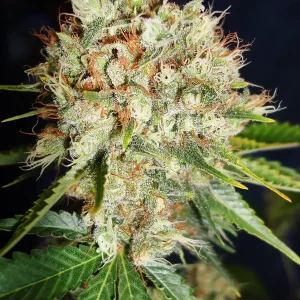
Big Bud XXL Feminized
Price range: 15,00 € through 121,50 € Select options This product has multiple variants. The options may be chosen on the product page
Cannabis Light Feminized
Price range: 21,00 € through 171,00 € Select options This product has multiple variants. The options may be chosen on the product pageCBD Star Feminized
Price range: 17,50 € through 142,00 € Select options This product has multiple variants. The options may be chosen on the product pageDucci Feminized
Price range: 22,00 € through 180,00 € Select options This product has multiple variants. The options may be chosen on the product pageGod’s Glue Feminized
Price range: 22,00 € through 180,00 € Select options This product has multiple variants. The options may be chosen on the product pageMamacita’s Cookies Feminized
Price range: 22,00 € through 180,00 € Select options This product has multiple variants. The options may be chosen on the product pageMandarin Gelato Feminized
Price range: 23,00 € through 186,00 € Select options This product has multiple variants. The options may be chosen on the product pageMandarin Haze Feminized
Price range: 20,00 € through 162,00 € Select options This product has multiple variants. The options may be chosen on the product pageMars Mellow Feminized
Price range: 23,00 € through 186,00 € Select options This product has multiple variants. The options may be chosen on the product pageNorthern Lights MOC Feminized
Price range: 12,50 € through 101,00 € Select options This product has multiple variants. The options may be chosen on the product pageUltra White Amnesia Feminized
Price range: 17,50 € through 142,00 € Select options This product has multiple variants. The options may be chosen on the product pageWhite Widow Feminized
Price range: 12,50 € through 101,00 € Select options This product has multiple variants. The options may be chosen on the product pageZensation Gold Feminized
Price range: 19,00 € through 153,00 € Select options This product has multiple variants. The options may be chosen on the product page
Feminized Seeds FAQ
What are feminized cannabis seeds?
Feminized cannabis seeds are bred so that the great majority of plants grown from them are female. The term feminized marijuana seeds describes the same seed type. Each variety still has its own lineage, structure and aromatic profile.
The distinction matters when reading catalog filters. Two varieties in this category can come from different genetic families and have very different mature heights, flowering patterns and aromas.
How do they differ from regular seeds?
Regular seeds can produce both male and female plants. Feminized seeds are bred for a more predictable female outcome. Both seed types can come from carefully selected genetic lines, so compare the strain’s parentage and traits separately from its seed type.
For example, a regular and a feminized version of a strain may share a name. The seed type tells you what to expect about plant sex, while the listing’s lineage tells you whether the breeder used the same parent lines.
How do autoflower and photoperiod varieties differ?
Feminized autoflowering seeds produce predominantly female plants that begin flowering as they age. Photoperiod varieties respond to changes in day length. If you’re comparing two strains, check which flowering pattern each uses before comparing their listed flowering times. The same flowering-time figure can appear on both types of listing, even though the plants begin flowering in response to different cues.
Check where the breeder starts counting. An autoflower listing may give a total cycle from seed to maturity, while a photoperiod listing may give only the flowering phase. A duration expressed in weeks is useful for comparison once you know which part of the plant’s development it describes.
What should I look for in a strain listing?
Look for a clear description of the strain’s genetic background, seed type, flowering pattern and characteristic traits. If two listings use similar names, compare the stated parent lines and the traits each breeder selected for. Genetic stability describes how consistently a line expresses selected traits over generations. Structure and aroma are useful points of comparison, and individual plants can still vary.
A description is easier to compare when it gives concrete traits, such as a height range or dominant aromatic notes. A broad quality label gives you less information about what distinguishes one line from another.
How do indoor and outdoor seed listings compare?
Indoor and outdoor descriptions refer to the settings a breeder considers suitable for a variety. Indoor descriptions often highlight compact structure or predictable height. Feminized outdoor seeds may be described in terms of vigor, mature size or seasonal timing. The best fit depends on the available space and the length of the season. When a breeder lists a height range or an expected finish window, those details give you more to compare than the indoor or outdoor label alone.
Some listings describe a strain as suitable for both settings. In that case, compare the indoor and outdoor figures separately, especially when the breeder gives different estimates for mature size or finish time.
How should I read a yield estimate?
High-yield feminized seeds are marketed for their yield potential under particular conditions. When comparing indoor and outdoor estimates, check whether the figures are stated per square metre or per plant. Those units describe different measurements, and actual results vary with the environment. If two listings use the same unit, also check whether the numbers are stated as a range, a typical result or an upper estimate.
Read the yield estimate alongside plant size and flowering time. Two strains can have similar headline figures and differ substantially in the space they occupy or the time the breeder lists for flowering.
What does a fast-flowering label tell me?
Faster feminized seeds are varieties described as having a shorter flowering period or earlier finish. Check whether the listing gives flowering time or the full time from seed to maturity. A fast photoperiod variety can have a short flowering period and still depend on day length to begin flowering.
Outdoor listings may give a seasonal finish window, while indoor listings commonly express flowering time in weeks. Compare like with like when deciding which variety the description presents as earlier.
What does XXL mean on a seed listing?
XXL is a breeder’s label typically used to highlight size, vigor or yield potential. Its meaning varies by variety. The strain description is the best place to check which trait the label refers to and how that variety compares with other varieties.
For instance, an XXL label might highlight a larger plant in one listing and a higher advertised yield in another. Check the specifications before using XXL as a filter for either trait.
How are the feminized seeds produced?
Breeders start with a selected female plant and induce it to produce pollen-bearing flowers. They use that pollen to fertilize flowers on the same plant or on another selected female. Because both parents are genetically female, the resulting seeds are expected to produce predominantly female plants.
The choice of parent plants still matters. Using pollen from the same plant produces a selfed line, while using it on a different female combines traits from two selected parents. The seed label describes the expected sex of the plants. The lineage and strain description tell you more about the traits the breeder selected, such as structure and aroma.
How can I compare strains by aroma?
Aroma gives you another way to compare strains alongside lineage and structure. Profiles can range from sweet, citrus and tropical notes to earthy, woody, spicy or resinous ones. Related varieties can share some aromatic traits while differing in which notes are most prominent. A strain described as citrus and earthy may have a different dominant note from one described as earthy with a hint of citrus.
Descriptions can also help you distinguish an aroma family from a specific note. Citrus is a broad family, for example, while orange peel and lemon are more specific descriptions.
Where can I read more about seed genetics and breeding?
These references cover sex determination, flowering genetics, breeding methods and Cannabis sativa biology. For background on how breeders study inherited traits, start with the genomics reference. The sex determination and flowering links address questions about plant reproduction, while the broader biology reference puts those topics in context.