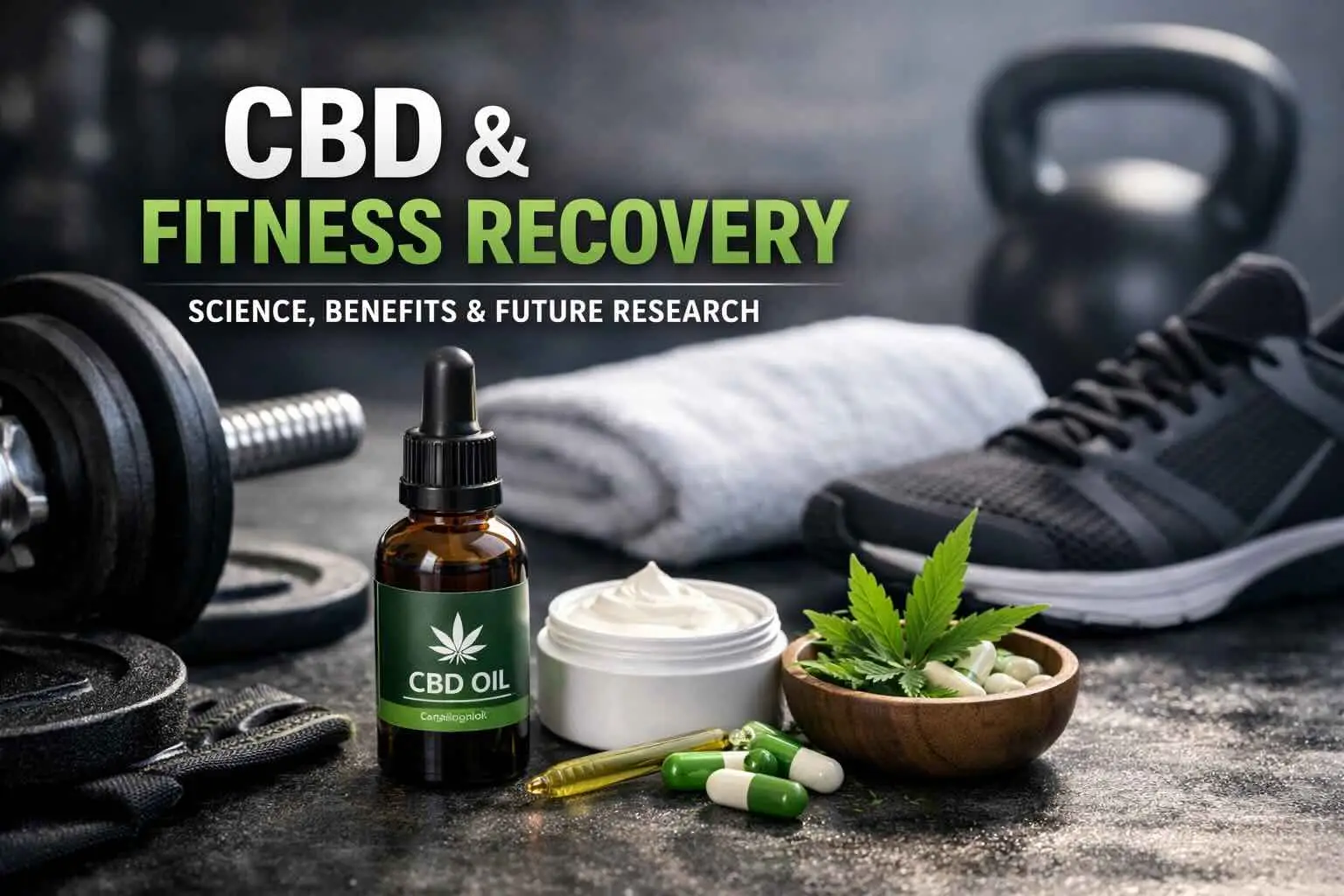
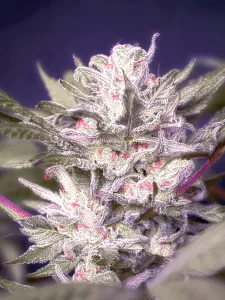
CBD and Fitness Recovery: Science, Potential Benefits, and Future Research
Introduction: Why CBD Has Entered the World of Fitness RecoveryOver the past decade, cannabidiol (CBD) has moved from a niche wellness compound to a mainstream topic in sports, rehabilitation, and fitness science. Athletes, physiotherapists, and recreational gym-goers increasingly discuss CBD as a possible tool for recovery after training. This interest is not surprising: recovery determines performance progression, injury risk, and long-term health outcomes.
Fitness recovery involves complex biological processes. After exercise, the body undergoes inflammation, muscle fiber damage, oxidative stress, hormonal shifts, and nervous system fatigue. Effective recovery strategies traditionally include nutrition, hydration, sleep, rest, compression therapy, massage, and anti-inflammatory treatments.
CBD has entered this landscape because it interacts with the endocannabinoid system — a network involved in regulating inflammation, pain perception, mood, immune responses, and cellular repair. Researchers are now trying to determine whether CBD can meaningfully support recovery processes.
However, despite growing popularity, scientific evidence remains mixed and evolving. Understanding the real state of knowledge requires examining biological mechanisms, clinical studies, athlete reports, and the limitations of current research.
Understanding CBD and Its Biological Mechanisms
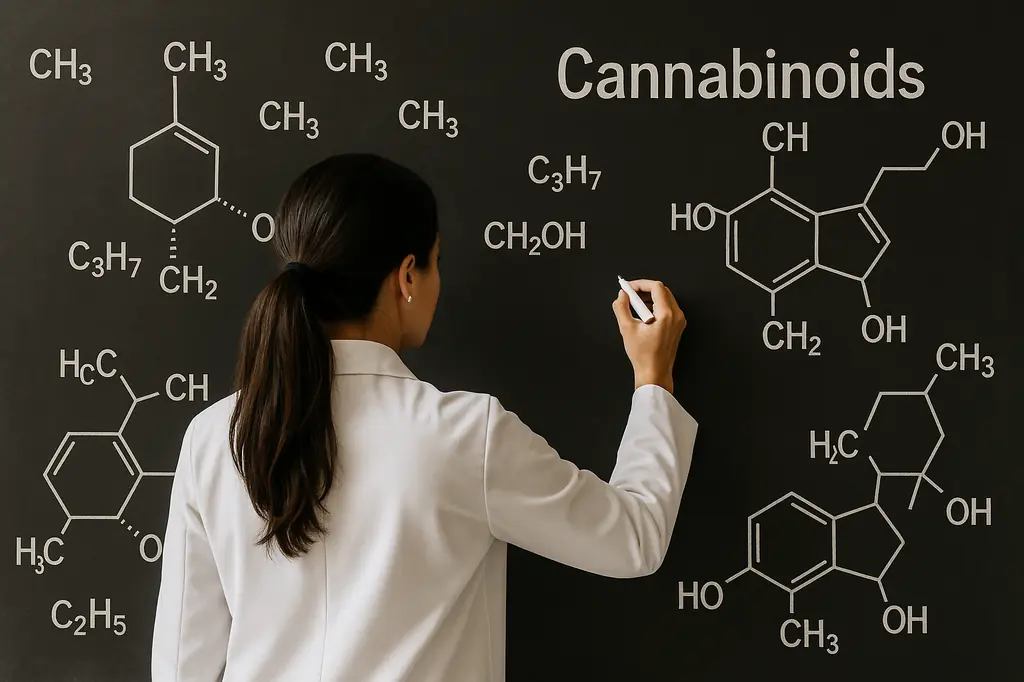
CBD is a non-intoxicating cannabinoid found in Cannabis sativa. Unlike THC, it does not produce a “high.” Its physiological effects primarily arise through indirect interactions with the endocannabinoid system, neurotransmitter receptors, and inflammatory pathways.
One of the most important aspects of CBD in recovery science is its potential to modulate inflammation and pain. Research suggests CBD may influence the body’s inflammatory response through immune signaling pathways, which could help regulate post-exercise muscle damage.
In addition, CBD appears to have neuroprotective, anxiolytic, and analgesic properties, all relevant to recovery from intense physical activity.
Scientists also suspect CBD may affect satellite cell differentiation — the process through which muscles regenerate and repair after damage. Some recent studies suggest CBD could support muscle repair and strength recovery through this mechanism.
These biological actions explain why CBD has attracted attention in sports science: recovery is not a single process but a combination of inflammatory regulation, tissue repair, nervous system balance, and psychological recovery.
CBD and Muscle Recovery: What Studies Show
Evidence of Reduced Muscle Damage
Several controlled studies have investigated CBD’s impact on post-exercise muscle recovery.
Some findings show modest improvements. For example, research indicates that certain doses of CBD reduced markers of muscle damage such as creatine kinase and myoglobin within 72 hours after intense exercise.
Similarly, randomized controlled trials have found small but statistically significant improvements in muscle damage biomarkers and squat performance recovery after CBD supplementation.
In another line of research, participants receiving specific CBD doses reported lower levels of soreness between 48 and 72 hours after exercise.
These findings suggest CBD may help accelerate certain aspects of muscle repair, especially in delayed recovery phases.
Anti-Inflammatory Potential
Exercise-induced inflammation is essential for adaptation but can become excessive, prolonging soreness and impairing recovery. CBD’s anti-inflammatory effects are one of its most frequently studied properties.
Some research indicates CBD may influence inflammatory signaling and reduce muscle stress markers, potentially supporting recovery processes.
Because inflammation is closely linked to pain perception and tissue damage, this mechanism could explain why many athletes report subjective improvements in soreness when using CBD.
However, it is important to note that CBD does not appear to eliminate inflammation completely — and should not, since controlled inflammation is necessary for muscle growth.
Mixed and Limited Evidence
Despite promising results, scientific consensus remains cautious.
Systematic reviews indicate current evidence supports only limited positive effects on physiological parameters and recovery outcomes.
Some controlled trials found no significant improvements in inflammation markers or performance recovery after strenuous exercise.
Researchers emphasize that studies often use small sample sizes, different dosing protocols, and varied methodologies, making comparisons difficult.
Thus, while early findings are encouraging, CBD cannot yet be considered a proven recovery supplement.
CBD and Pain Management in Fitness Recovery
Pain management is another major area of interest.
Muscle soreness, joint discomfort, and micro-injuries are common after intense exercise. CBD may modulate pain perception through interaction with neurotransmitter systems and inflammatory pathways.
Scientific reviews highlight CBD’s potential analgesic effects, which may help athletes cope with post-training discomfort.
Survey research also indicates high subjective satisfaction among users: in one study, over 90% of participants reported CBD helped their exercise recovery experience.
However, subjective perceptions do not necessarily translate into measurable physiological improvements.
CBD and Sleep: A Critical Recovery Factor
Recovery is not only physical — it is also neurological and hormonal.
Sleep plays a fundamental role in muscle repair, hormone regulation, immune function, and cognitive recovery.
Many athletes report improved sleep quality after CBD use, which could indirectly support recovery processes.
Better sleep may explain some of CBD’s perceived benefits: even small improvements in sleep can significantly accelerate muscle repair and reduce fatigue.
However, this mechanism remains under-researched in sports-specific contexts.
CBD and Psychological Recovery
Fitness recovery includes psychological elements such as stress regulation, mental fatigue, and emotional balance.
CBD’s anxiolytic effects may help reduce post-exercise stress responses and improve overall recovery readiness.
Some studies suggest CBD can influence psychological responses during exercise without impairing performance.
This effect could be particularly relevant for high-intensity training and competition environments.
CBD and Performance: Does It Enhance Athletic Ability?
One of the most debated topics is whether CBD improves athletic performance directly.
Current evidence suggests it does not significantly enhance performance itself.
Some studies show minor improvements in physiological parameters like oxygen consumption and power output, but results are inconsistent.
Overall, research indicates CBD is better understood as a potential recovery aid rather than a performance-enhancing substance.
Emerging Areas of Research
Scientists are increasingly exploring new experimental pathways.
For example, recent animal studies suggest CBD may influence gut microbiome composition, which could affect endurance performance and muscle recovery.
Other research focuses on CBD’s role in satellite cell activity, oxidative stress reduction, and neuroprotection after physical exertion.
These emerging areas represent exciting future directions but remain largely experimental.
Safety and Regulatory Considerations
CBD safety remains an important topic.
Recent European regulatory assessments emphasize that long-term effects are still uncertain, particularly regarding liver health and neurological function.
Authorities consider current safety thresholds provisional due to limited clinical data.
This uncertainty highlights the need for caution when interpreting claims about CBD’s benefits.
Practical Applications, Usage Methods, and Scientific Limitations
Practical Uses of CBD in Fitness Recovery
While scientific research continues to evolve, CBD is already widely used in real-world fitness and athletic recovery routines. From elite competitors to recreational athletes, individuals report integrating CBD into various stages of post-exercise care.
These practical uses generally fall into four main categories: inflammation management, pain relief, sleep support, and nervous system regulation.
Post-Workout Muscle Recovery
One of the most common uses of CBD is immediately after intense physical training. Athletes often apply topical CBD products to muscle groups experiencing soreness or fatigue. The rationale is that localized application may help reduce discomfort while allowing athletes to continue training consistently.
Oral CBD products are also used after workouts to support systemic recovery. The goal is typically not to eliminate soreness entirely — which is a natural adaptation response — but to prevent excessive inflammation that may delay training cycles.
Many strength athletes report using CBD during high-volume training periods when muscle damage accumulation becomes significant. Endurance athletes may also use CBD during heavy training phases, such as marathon preparation, where repetitive stress injuries become more likely.
However, it is important to distinguish between anecdotal reports and scientifically proven outcomes. While athlete testimonials are widespread, clinical research confirming consistent recovery benefits remains limited.
Joint and Connective Tissue Support
Fitness recovery is not limited to muscles. Joints, ligaments, and tendons also experience stress during physical activity.
Some athletes use CBD to address joint discomfort associated with high-impact training. This includes runners, weightlifters, CrossFit participants, and contact sport athletes.
Because CBD interacts with inflammatory pathways and pain perception systems, it may influence discomfort in connective tissues. This potential has led to growing interest in CBD for rehabilitation and injury recovery.
However, clinical research specifically focused on joint recovery remains scarce. Most studies focus on generalized pain management rather than exercise-specific joint stress.
Stress and Nervous System Recovery
Physical training places demands on the central nervous system, especially during high-intensity workouts.
Recovery is not only about repairing tissues — it also involves restoring neurological balance. Overtraining syndrome, for example, often results from chronic nervous system fatigue rather than muscle damage alone.
CBD may support nervous system recovery through its anxiolytic properties. Some athletes report reduced mental stress, improved relaxation, and better emotional regulation after using CBD.
This effect could help athletes transition from high-stress training states into recovery mode, potentially supporting overall performance consistency.
CBD and Sleep Optimization for Athletes
Sleep is arguably the most important factor in fitness recovery.
During deep sleep, the body releases growth hormone, repairs muscle tissue, restores immune function, and processes metabolic waste.
Many athletes turn to CBD primarily for sleep support rather than direct physical recovery effects.
CBD may influence sleep through several pathways:
• Reducing anxiety that interferes with sleep onset
• Regulating circadian rhythm through neurotransmitter modulation
• Decreasing pain that disrupts sleep continuity
• Promoting relaxation after high stimulation training
Unlike sedatives, CBD does not typically induce immediate sleepiness. Instead, it appears to support natural sleep processes by reducing factors that interfere with restful sleep.
Improved sleep quality may be one of the most realistic pathways through which CBD contributes indirectly to recovery.
Forms of CBD Used in Fitness Recovery
CBD is available in multiple formats, each suited to different recovery goals.
Topical CBD Products
Creams, balms, and gels are commonly used for localized recovery. Athletes often apply them directly to sore muscles or joints.
Topicals may be particularly useful for:
• Localized muscle soreness
• Joint stiffness
• Minor soft tissue discomfort
• Massage therapy integration
Because topical CBD does not typically enter systemic circulation in significant amounts, it may offer targeted relief without systemic effects.
Oral CBD Products
Oils, capsules, and edibles are used for systemic recovery.
Athletes may prefer oral CBD when targeting:
• Whole-body inflammation
• Sleep quality
• Nervous system recovery
• General relaxation
Oral CBD has slower onset but longer duration compared to topical applications.
CBD Isolate vs. Full-Spectrum Products
CBD products differ in cannabinoid composition.
Full-spectrum products contain multiple cannabinoids and plant compounds, which may produce synergistic effects known as the “entourage effect.”
CBD isolate products contain only pure cannabidiol, without other cannabis compounds.
Athletes subject to drug testing often prefer isolate products due to reduced risk of THC exposure.
However, research comparing recovery outcomes between isolate and full-spectrum CBD remains limited.
Dosage Considerations and Challenges
One of the greatest challenges in CBD research is determining effective dosage ranges.
Studies vary widely in dosage protocols, from very low daily amounts to high acute doses.
Factors influencing dosage effectiveness include:
• Body weight
• Metabolism
• Exercise intensity
• Frequency of training
• Method of administration
• Individual endocannabinoid system variability
Because of these variables, standardized dosing guidelines do not currently exist.
This lack of consistency is one reason scientific evidence remains difficult to interpret.
Limitations of Current Research
Despite growing interest, CBD research in sports recovery faces several major limitations.
Small Sample Sizes
Most studies involve small participant groups, reducing statistical power and reliability.
Short Study Duration
Many trials examine short-term effects rather than long-term recovery outcomes.
Inconsistent Methodology
Differences in exercise protocols, CBD formulations, and measurement methods make comparisons difficult.
Placebo Effects
Because recovery involves subjective perceptions such as soreness and fatigue, placebo effects may influence study outcomes.
Lack of Athlete-Specific Research
Most CBD research is conducted on healthy volunteers rather than trained athletes, limiting real-world applicability.
Ethical and Regulatory Considerations in Sports
CBD is no longer prohibited by major anti-doping organizations, but regulations vary internationally.
Athletes must remain cautious because some CBD products may contain trace amounts of THC, which could result in positive drug tests.
Quality control and third-party testing are therefore critical factors for competitive athletes.
Safety Profile and Potential Risks
CBD is generally considered well tolerated, but it is not completely risk-free.
Potential concerns include:
• Drug interactions with medications
• Liver enzyme changes at high doses
• Variability in product quality
• Inconsistent labeling accuracy
Long-term safety data remain limited, especially in athletic populations.
The Role of Expectations and Athlete Perception
An interesting aspect of CBD recovery research is the role of perception.
Athletes often report positive experiences even when objective measurements show minimal physiological changes.
This does not necessarily mean CBD is ineffective — perception itself influences recovery through psychological pathways.
Confidence, relaxation, and reduced anxiety can improve training readiness and recovery outcomes.
Understanding this interaction between psychological and physiological recovery is an important area for future research.
Experimental Directions Worth Further Exploration
Scientists have identified several promising areas for future investigation:
• CBD’s impact on mitochondrial recovery
• Effects on muscle protein synthesis
• Influence on oxidative stress reduction
• Role in central nervous system fatigue
• Interaction with gut microbiome and endurance
• Long-term recovery adaptation mechanisms
These areas remain largely unexplored but could significantly expand understanding of CBD’s role in sports science.
CBD and Fitness Recovery (Part 3): Future Perspectives, Research Gaps, and Long-Term Implications
The Future of CBD in Sports Science
CBD’s rapid rise in popularity within the fitness world has outpaced scientific validation. While current research offers promising insights, experts agree that we are still in the early stages of understanding its full potential.
The future of CBD in sports science will likely depend on large-scale clinical trials designed specifically for athletic populations. Researchers need standardized protocols that examine not only short-term recovery markers but also long-term training adaptations.
One key question is whether CBD could support sustainable performance progression by improving recovery cycles over time. Athletes do not simply need immediate relief from soreness; they require recovery strategies that allow consistent, injury-free training across months and years.
Longitudinal studies will be crucial to determine whether CBD contributes to reduced injury rates, improved training consistency, or enhanced physiological adaptation.
CBD and Chronic Training Adaptation
Recovery is not only about returning to baseline after exercise — it is also about adaptation. Muscle growth, endurance improvements, and strength gains depend on carefully balanced recovery processes.
Some scientists have raised an important question: could CBD’s anti-inflammatory properties interfere with beneficial training adaptations?
This concern is based on research showing that excessive use of anti-inflammatory medications may blunt muscle growth responses by suppressing necessary inflammatory signaling.
Current evidence suggests CBD likely does not completely suppress inflammation to the same extent as pharmaceutical anti-inflammatory drugs. However, researchers are still investigating whether frequent CBD use could influence long-term adaptation processes.
This area represents one of the most important unanswered questions in sports science.
Potential Role in Injury Rehabilitation
Beyond routine recovery, CBD may have potential applications in injury rehabilitation.
Athletes recovering from strains, ligament injuries, or overuse conditions often experience prolonged inflammation, pain, and stress.
CBD’s potential benefits in this context may include:
• Modulating inflammatory responses during tissue repair
• Supporting pain management without reliance on opioids
• Improving sleep quality during recovery phases
• Reducing psychological stress associated with injury
However, clinical research specifically focused on sports injury rehabilitation remains extremely limited.
Future trials could examine CBD’s effectiveness in rehabilitation timelines, functional recovery outcomes, and reinjury prevention.
CBD in Professional Sports and Regulatory Evolution
The regulatory landscape surrounding CBD in sports has evolved significantly.
Major anti-doping organizations no longer prohibit CBD itself, recognizing that it does not produce intoxicating or performance-enhancing effects.
However, THC remains prohibited in competition settings, and contamination risks continue to present challenges for athletes.
Professional sports organizations are increasingly interested in CBD as a safer alternative to traditional pain management methods, particularly opioid medications.
In contact sports such as American football, rugby, and combat sports, CBD is being explored as a potential tool for managing chronic pain and reducing reliance on high-risk pharmaceuticals.
This shift reflects broader changes in attitudes toward cannabis-derived compounds within the medical and athletic communities.
The Psychological Dimension of Recovery
One of the most overlooked aspects of CBD’s role in fitness recovery is its potential psychological impact.
Recovery is not purely physical — mental fatigue, motivation levels, and emotional stress all influence training outcomes.
CBD’s anxiolytic properties may help athletes manage performance pressure, competition anxiety, and post-training stress responses.
Improved mental recovery may indirectly enhance physical recovery by supporting better sleep, hormonal balance, and consistent training engagement.
Researchers increasingly recognize that effective recovery strategies must address both physiological and psychological factors.
The Placebo Effect and Recovery Science
An important consideration in CBD research is the placebo effect.
Recovery outcomes such as soreness, fatigue, and readiness are inherently subjective. Expectations, beliefs, and confidence can strongly influence perceived recovery.
Some studies suggest CBD’s perceived benefits may partially arise from psychological mechanisms rather than direct physiological effects.
However, this does not diminish its potential value. If a supplement enhances recovery perception, reduces anxiety, and supports training consistency, it may still provide meaningful real-world benefits.
Future research must carefully distinguish between subjective perception and objective physiological outcomes.
Long-Term Safety and Knowledge Gaps
Although CBD is generally considered safe in moderate doses, long-term safety data remain incomplete.
Key questions include:
• Effects of chronic daily use over multiple years
• Interactions with common sports supplements
• Influence on hormonal regulation
• Potential cumulative effects on liver metabolism
• Safety in adolescent athletes
Regulatory agencies emphasize that more research is necessary before establishing definitive long-term safety guidelines.
This uncertainty highlights the importance of cautious and informed use.
The Need for Standardization in Research
One of the greatest obstacles to understanding CBD’s role in recovery is the lack of standardization.
Studies vary widely in:
• Dosage levels
• Administration methods
• Exercise protocols
• Participant fitness levels
• Measurement techniques
Without standardized methodologies, comparing results becomes difficult.
Future research efforts will need coordinated protocols to generate reliable and comparable data.
Emerging Experimental Frontiers
Several emerging research areas may significantly expand understanding of CBD’s role in recovery:
Cellular Recovery Mechanisms
Scientists are exploring whether CBD influences mitochondrial function, which plays a central role in energy production and cellular repair after exercise.
Neuroprotection and Brain Recovery
High-intensity training and contact sports can stress the nervous system. Researchers are investigating whether CBD may support neural recovery and reduce neuroinflammation.
Immune System Modulation
Exercise temporarily suppresses immune function. CBD’s immunomodulatory effects could potentially influence post-training immune recovery.
Gut Microbiome Interactions
Recent research suggests cannabinoids may influence gut bacteria composition, which could affect endurance performance and recovery efficiency.
These experimental areas remain in early stages but represent exciting directions for future study.
Ethical Considerations in the Use of CBD
As CBD becomes more integrated into sports culture, ethical questions emerge.
Some critics argue that widespread CBD use may blur the line between natural recovery strategies and pharmacological assistance.
Others emphasize that CBD’s non-intoxicating nature and relatively low risk profile make it a reasonable wellness supplement.
The debate reflects broader discussions about fairness, safety, and evolving definitions of performance support in sports.
The Role of Education and Responsible Use
As interest in CBD grows, education becomes increasingly important.
Athletes and fitness enthusiasts must understand that CBD is not a miracle recovery solution.
Effective recovery still depends on foundational factors such as:
• Proper nutrition
• Adequate sleep
• Hydration
• Structured training programs
• Periodization strategies
• Injury prevention practices
CBD should be viewed, at most, as a complementary tool rather than a primary recovery strategy.
Final Thoughts: A Promising but Unproven Tool
CBD occupies a unique position in the landscape of fitness recovery.
Scientific evidence suggests potential benefits in areas such as inflammation regulation, pain perception, sleep support, and psychological recovery.
However, current research remains limited, inconsistent, and far from conclusive.
The most realistic perspective is that CBD may serve as a supportive recovery aid for some individuals, particularly through indirect mechanisms such as improved sleep and stress reduction.
Its role in direct physiological recovery enhancement remains an open scientific question.
Disclaimer
This article is provided strictly for informational and educational purposes. It does not constitute medical advice, diagnosis, or treatment recommendations.
Readers must always consult a qualified healthcare professional before using CBD or any supplement, especially if they have medical conditions or take medications.
Additionally, CBD laws vary significantly between countries and jurisdictions. Readers are responsible for understanding and complying with local regulations before purchasing or using CBD products.